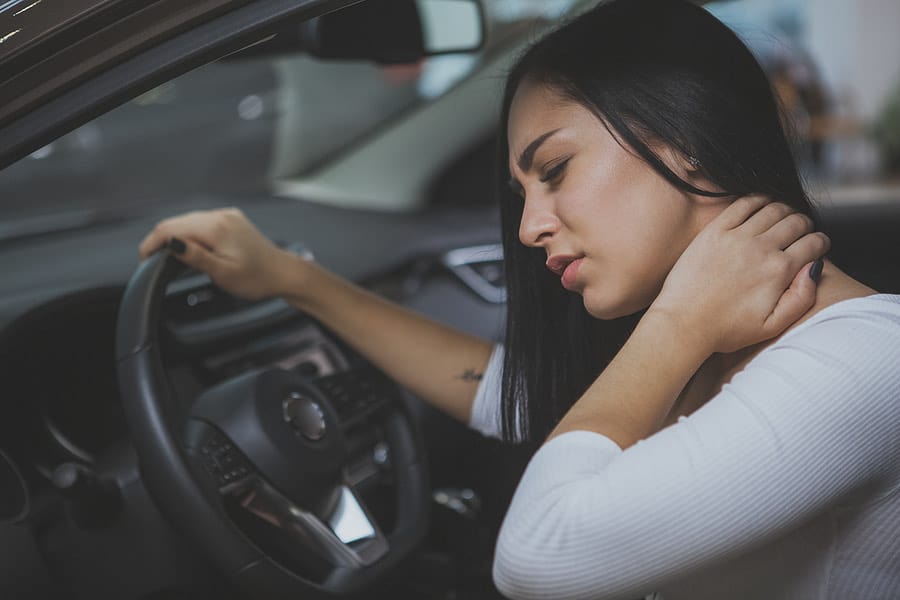
A rear-end collision in Oregon can happen in just a few second, but the effects can last much longer. Even a relatively low-speed crash may leave you with neck pain, back pain, headaches, muscle tension, or stiffness that develops hours or even days after the collision. Many people walk away from these accidents assuming they have just been in a minor fender-bender and they are fine, but this is not always the case. Injury can occur even from minor collisions.
If you have been involved in a rear-end collision in Oregon, you may have questions about who is responsible, how medical bills are paid, and whether treatments such as massage therapy can be part of your recovery.
The good news is that Oregon has insurance protections designed to help people receive medical care after a motor vehicle collision.
Who Is Usually at Fault in a Rear-End Collision in Oregon?
In many rear-end collisions, the driver who strikes the vehicle in front is considered responsible because Oregon law requires drivers to maintain a reasonable following distance.
Oregon’s Department of Transportation also recommends maintaining a safe following distance so drivers have adequate time to react. (Oregon Legislature)
For example, if you are stopped at a red light and another driver fails to stop and hits the back of your vehicle, the following driver will commonly be considered at fault.
If you are unsure who is responsible for your accident, an attorney or your insurance company can help you understand how liability is being evaluated.
What Is PIP Insurance in Oregon?
One of the most important types of auto insurance coverage to understand after a collision is Personal Injury Protection, or PIP.
Oregon requires automobile insurance policies to include PIP coverage. The current Oregon minimum is $15,000 per person. PIP is intended to help pay for reasonable and necessary medical expenses related to injuries from a motor vehicle collision. (Oregon)
Importantly, PIP is generally available regardless of who caused the collision. This means you do not necessarily have to wait for the insurance companies to finish determining fault before accessing your own PIP benefits.
Under Oregon law, required PIP benefits include reasonable and necessary medical expenses related to an injury, subject to the applicable coverage limits and requirements. Oregon’s Department of Consumer and Business Services explains that PIP generally covers reasonable and necessary medical expenses incurred within two years of an injury, up to $15,000 or the policy’s applicable PIP limit. (Oregon Division of Financial Regulation)
Your individual policy may provide more coverage than the Oregon minimum, so it is worth checking your policy or contacting your insurance company.
What Medical Treatment Can PIP Cover After a Car Accident?
PIP can help pay for reasonable and necessary medical treatment associated with injuries from a motor vehicle collision. This may include medical evaluations, chiropractic, massage therapy, and physical therapy.
Depending on your individual circumstances and insurance policy, treatment may include care from healthcare professionals involved in your rehabilitation.
Treatment after a collision may be recommended for problems such as:
- Neck and shoulder pain
- Back pain
- Muscle tightness and spasms
- Headaches associated with muscular tension
- Reduced range of motion
- Soft-tissue injuries
- Whiplash-related symptoms
- General soreness and stiffness
It is important to remember that insurance coverage is not the same thing as a guarantee that every treatment or bill will be paid. Medical necessity, documentation, provider status, policy provisions, and available PIP benefits can all affect coverage.
Can Massage Therapy Be Part of Car Accident Rehabilitation?
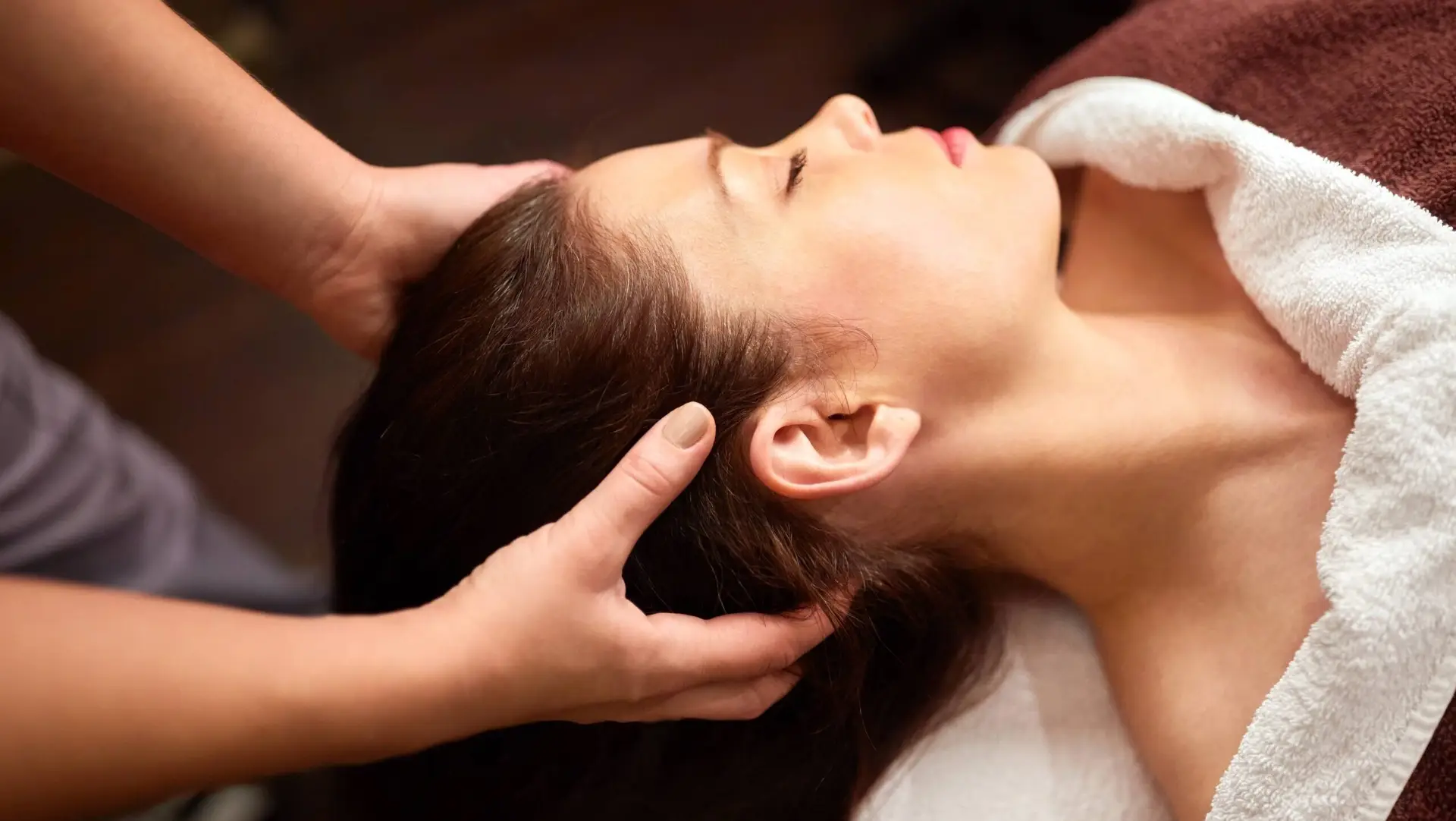
Yes. Massage therapy may be used as part of a rehabilitation plan following a motor vehicle collision, particularly when muscle tension, soreness, restricted movement, or other soft-tissue symptoms are present.
After a rear-end collision, the body can experience a rapid acceleration and deceleration force. The neck, shoulders, upper back, and other areas may become tense as the body responds to the impact.
Massage therapy can be incorporated into a broader recovery plan with the goal of helping address muscular tension, discomfort, and mobility.
Depending on the injury, a person’s overall rehabilitation plan may also involve medical evaluation, physical therapy, chiropractic care, exercise, or other appropriate healthcare services.
Why Consider Massage Therapy After a Rear-End Collision?
A massage therapist may work with areas such as:
- Neck and shoulders: Helping address muscle tension and stiffness.
- Upper and lower back: Working with muscles that may become tight or uncomfortable following the impact.
- Soft tissue: Providing therapeutic techniques appropriate to the individual’s symptoms and stage of recovery.
- Overall muscular tension: Helping the body relax when muscles remain guarded or tense after an accident.
Treatment should be individualized. If you have significant pain, neurological symptoms, dizziness, weakness, severe headache, or other concerning symptoms following a collision, seek appropriate medical evaluation.
How Are Medical Bills Paid After a Rear-End Collision in Oregon?
A common misconception is that you have to wait for the at-fault driver’s insurance company to agree to pay your medical bills before receiving treatment.
That is not necessarily the case.
Your own automobile insurance policy may provide PIP benefits that can be used for eligible medical expenses following the collision. Oregon’s Division of Financial Regulation specifically notes that medical insurance will generally not cover accident-related medical expenses until PIP coverage has been exhausted. (Oregon Division of Financial Regulation)
A typical process may look like this:
- Report the collision.
Notify your automobile insurance company about the accident and ask about your PIP benefits. - Seek appropriate medical evaluation.
If you are experiencing pain or other symptoms, obtain an appropriate evaluation and follow recommended treatment. - Tell your healthcare providers about the collision.
Make sure providers know that your treatment is related to a motor vehicle collision. - Provide your insurance information.
Your healthcare provider may need your automobile insurance information to submit bills under your PIP coverage. - Keep track of your treatment.
Keep copies of medical records, bills, insurance correspondence, and other documentation related to your collision. - Monitor your PIP benefits.
PIP has a coverage limit. Once available benefits are exhausted, other sources of coverage may become important.
What Should You Do After a Rear-End Collision in Oregon?
Even when a collision seems minor, it is important to take your symptoms seriously.
Consider these steps:
- Get medical attention if you are injured. Some collision-related symptoms do not appear immediately. If you develop pain, stiffness, headaches, or other symptoms after a crash, seek appropriate medical care.
- Report the collision to your insurance company.
- Ask specifically about your PIP coverage, available limits, and how medical bills should be submitted.
- Follow your recommended treatment plan.
- Consistent care can be important when recovering from soft-tissue injuries.
- Keep documentation. Keep copies of accident reports, medical records, bills, insurance correspondence, and treatment documentation. But your doctor’s will also keep medical records, so you can ask for your records after your treatment is done.
- Don’t assume that no vehicle damage means no injury. Vehicle damage and bodily injury do not always correspond perfectly. If you are experiencing symptoms after a collision, discuss them with an appropriate healthcare professional.
Massage Therapy and Your MVA Recovery
Recovering from a rear-end collision after a car accident can take time. While some people feel better quickly, others experience lingering muscle tension, stiffness, or discomfort.
Massage therapy can be one component of a comprehensive rehabilitation plan for appropriate patients. When medically appropriate and covered by your policy, treatment may be billed through PIP coverage.
Before beginning treatment, contact your automobile insurance company to confirm your available PIP benefits and ask whether your specific treatment and provider are covered.
A massage therapist can also help you understand what insurance information is needed to submit claims, but your insurance company is the best source for confirming your individual coverage and benefits.
A Final Note About Oregon Car Accident Claims
A rear-end collision can be stressful, especially when you are trying to recover while also dealing with insurance companies and medical bills.
Understanding your Oregon PIP coverage can make the process less confusing. If you have been injured, seek appropriate medical care and keep good records of your treatment.
And if muscular pain, stiffness, or tension becomes part of your recovery, massage therapy may be one useful component of a comprehensive rehabilitation plan.
Insurance policies differ, and this article is intended for general educational purposes—not legal or insurance advice. For questions about fault, liability, settlement, or your specific insurance claim, consult your insurance company, an Oregon-licensed attorney, or another qualified professional.
Oregon Resources